
Fresh Start, Smart Skills: Essential Training for Newly Elected Members
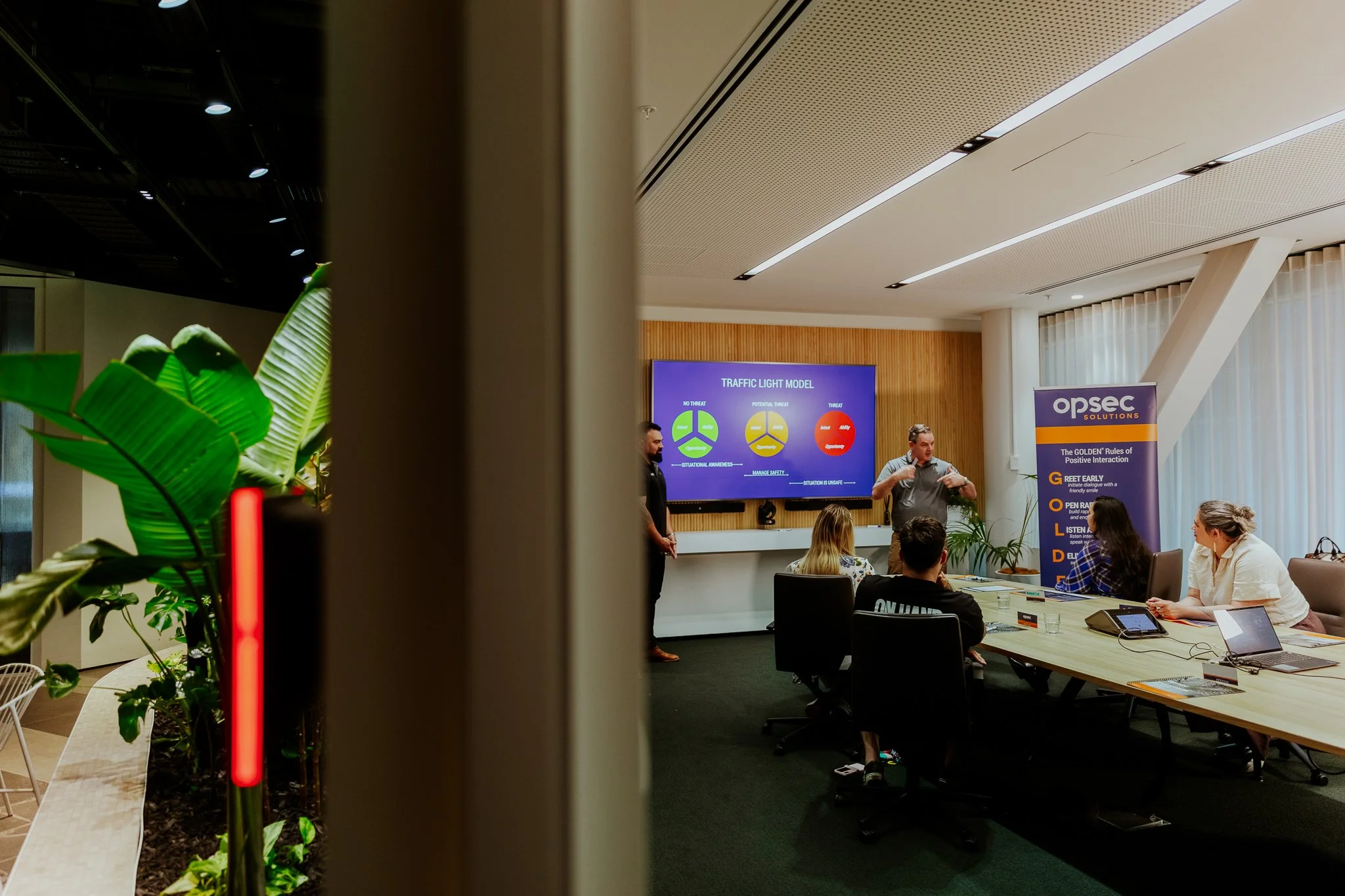
"Mā te huruhuru ka rere te manu" - Adorned with feathers, a bird can fly
Why Public Engagement Skills Matter for Elected Members
Being an elected member isn't a standard 9-to-5 role. You don't clock off at the office door or disappear behind workplace security. You're visible, accessible, and accountable in ways that few other positions demand.
That Saturday morning coffee? Someone wants to discuss consent issues. Your family dinner out? A ratepayer recognises you and has thoughts about the new parking rules. Your social media post about your garden? Three angry comments about rates appear within minutes.
This constant accessibility is democracy in action – but it requires a particular skillset that most of us simply haven't needed before. How do you politely but firmly exit a conversation that's becoming aggressive? What do you do when an email crosses the line from passionate to threatening? How do you read a room at a public meeting and recognise when you need support?
These aren't hypothetical scenarios. They're the reality of modern local government, where tensions around housing, rates, environmental decisions, and community services can run hot. Add in the amplification effect of social media and 24/7 connectivity, and newly elected members can feel exposed and unsure.
The Unique Position of Elected Members
Unlike most council staff, elected members operate in what we call "uncontrolled environments." You attend evening meetings in community halls. You're present at public events where anyone can approach you. You engage with constituents in car parks, sports fields, and shopping centres – places where you have no control over who's present or what mood they're in.
You're also highly visible online. Your name, photo, and contact details are public. Your decisions are scrutinised and debated. For some community members, you become the face of every council decision they disagree with, even if you personally voted against it.
This visibility comes with the territory, but it shouldn't come with unmanaged risk.
The Reality Check: What Elected Members Face
Through our work with councils across Aotearoa, we've seen the full spectrum of challenges elected members encounter:
In-person interactions that start as polite questions but escalate when the person doesn't like your answer. Being followed to your car after a heated meeting. Physical proximity that feels threatening, even if nothing overtly aggressive happens.
Digital harassment that ranges from persistent emailing to coordinated social media pile-ons. Messages that arrive at all hours. Online posts that include your home address or photos of your property. Comments that make you question whether someone is simply angry or potentially dangerous.
Meeting dynamics where passionate community members create intimidating atmospheres. Rooms packed with people opposed to a decision. Individuals who dominate public forums. Situations where you're genuinely unsure about your physical safety.
These experiences affect elected members across the political spectrum, in urban and rural areas, regardless of their years of service. They're an occupational reality that needs addressing.
From Anxious to Prepared: What Training Provides
The good news? These situations are manageable with the right awareness and strategies. Understanding situational safety isn't about being fearful – it's about being prepared. It's recognising early warning signs, knowing your options, and having a toolkit of professional responses that protect both you and your ability to serve effectively.
At OPSEC, we've developed a specialised workshop specifically for elected members that addresses these distinctive risks. We draw on years of experience working with councils, frontline workers, and professionals who regularly engage with the public in challenging circumstances.
Beyond Personal Safety: The Bigger Picture
Your council has health and safety obligations towards you as an elected member, and this training helps fulfil those responsibilities. But the benefits extend well beyond compliance.
For individual elected members, feeling prepared and confident allows you to engage more fully with your community. You're not avoiding public events or dreading interactions. You can focus on the substance of issues rather than worrying about your safety.
For councils, supporting elected members reduces risk and liability. Members who complete their terms without traumatic incidents or burnout contribute to organisational stability and institutional knowledge. The quality of community representation improves when elected members feel supported.
For democracy, when elected members can engage safely and confidently with their communities, democratic processes work better. Diverse candidates are more likely to put themselves forward if they know they'll be supported. Robust public debate continues without tipping into intimidation.
Ready to Support Your Elected Members?
OPSEC has been working with councils and organisations throughout Aotearoa for years, delivering practical training that makes a real difference. Our facilitators understand the unique pressures of local government and bring both expertise and empathy to this work.
To book a workshop for your newly elected members, or to discuss tailoring content to your council's specific needs, contact us:
Phone: 0800 999 677
Email: admin@opsec.co.nz
Let's make sure your elected members have the feathers they need to fly.